


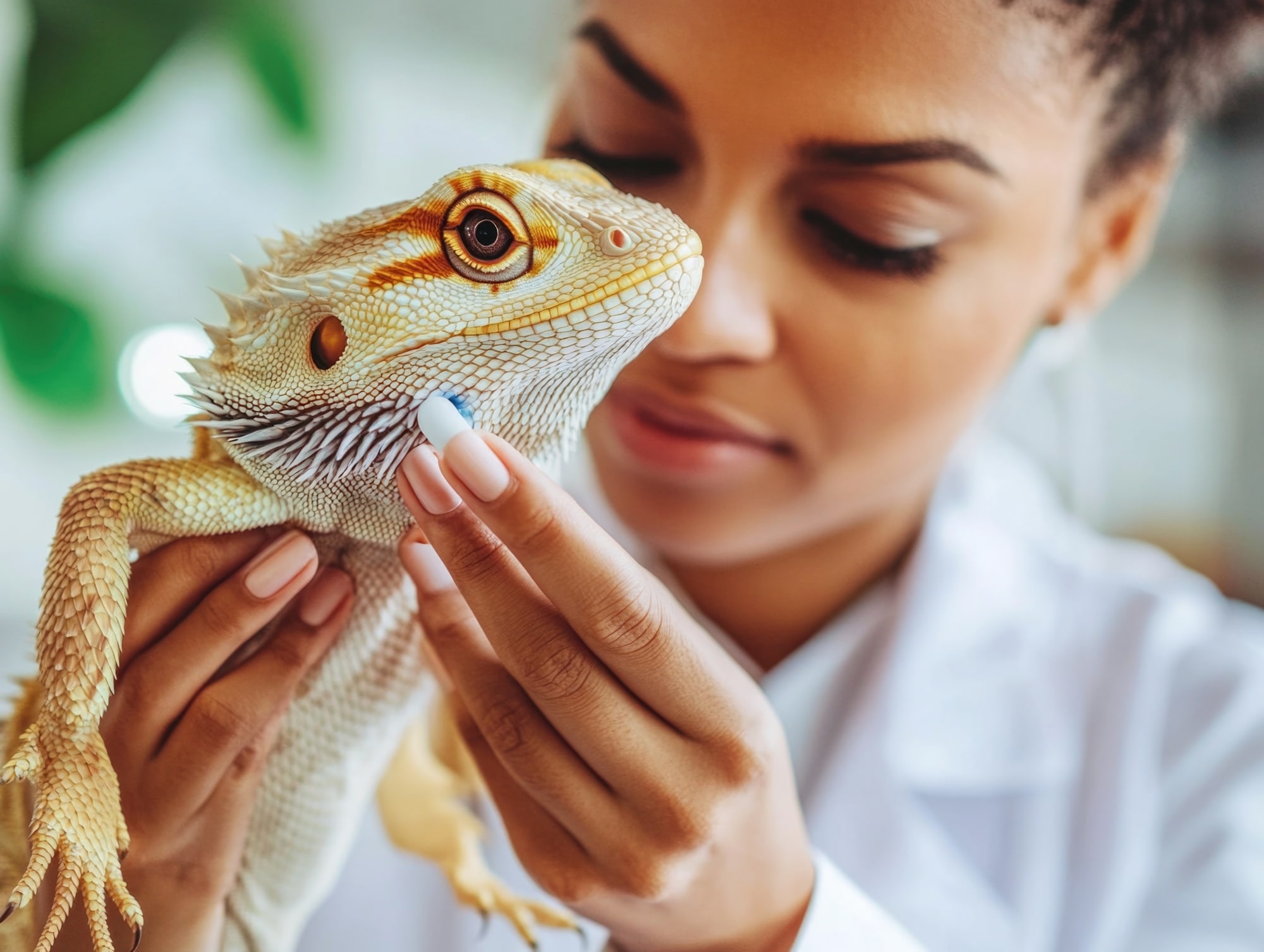
Cats make wonderful companions with their playful, independent nature. However, caring for them properly requires attention to various aspects of their health and well-being. One essential part of cat care that is often overlooked is nail maintenance. Keeping your cat’s nails trimmed is important not only for their comfort but also for the health and safety of your home. Let’s dive into how you can properly care for your cat and ensure their nails are safely trimmed and maintained.
1. General Cat Care: The Basics
Before we get into nail trimming, let’s go over the basic aspects of proper cat care:
– Diet: Ensure your cat is eating a balanced diet. Cats are obligate carnivores, meaning they need a diet rich in animal protein. Choose high-quality cat food that is appropriate for their age, size, and health conditions.
– Hydration: Cats are notorious for not drinking enough water, so it’s important to make fresh water available at all times. You can also incorporate wet food into their diet to increase their water intake.
– Exercise and Play: Regular physical activity is vital for keeping your cat healthy and happy. Interactive toys, scratching posts, and daily play sessions help prevent boredom and keep their muscles active.
– Litter Box: Keep the litter box clean and in a quiet, easily accessible area. Cats are clean animals, and a dirty litter box can cause stress and even lead to litter box avoidance.
– Regular Vet Visits: Routine check-ups are necessary to keep your cat in good health. Annual vet visits ensure vaccinations are up to date and allow for early detection of any health issues.
2. Why Nail Maintenance is Important
Cats’ claws grow continuously, and without proper care, they can become overgrown, causing discomfort or injury. Here’s why keeping your cat’s nails trimmed is essential:
– Prevents Painful Overgrowth: If a cat’s nails grow too long, they can curl into their paw pads, causing pain and possible infection.
– Protects Your Home: Regular nail trimming helps prevent damage to furniture, carpets, and even your skin when your cat is playing or kneading.
– Reduces the Risk of Snagging: Overgrown nails are more likely to get caught in fabric or other surfaces, which could lead to a torn claw, a painful and easily preventable injury.
3. How to Safely Trim Your Cat’s Nails
Nail trimming can seem like a daunting task, but with the right approach, it can be a smooth process for both you and your cat. Here’s a step-by-step guide:
– 1. Get the Right Tools: Use a pair of cat-specific nail clippers or a sharp human nail clipper. Avoid using scissors or dull clippers, as they can crush the nail.
– 2. Get Your Cat Comfortable: Find a quiet space where your cat feels comfortable. Gently hold them in your lap or on a soft surface. If your cat is particularly fidgety, you may need a second person to help hold them.
– 3. Identify the Quick: The quick is the pink part inside the cat’s nail that contains nerves and blood vessels. Be careful to avoid cutting into this area, as it will cause pain and bleeding. If your cat has light-colored nails, the quick is easy to spot. For cats with darker nails, trim a little at a time to avoid hitting the quick.
– 4. Trim One Nail at a Time: Gently press on your cat’s paw to extend the nail, then trim off the sharp tip of each nail. Take your time and offer treats after each successful clip to make the process more positive for your cat.
– 5. Don’t Rush: If your cat becomes anxious, it’s okay to trim just a few nails at a time. You don’t have to do them all in one session. Go at your cat’s pace to avoid making them fearful of future nail trims.
4. Alternatives to Nail Trimming
If trimming your cat’s nails is too stressful for either of you, there are alternatives you can try:
– Scratching Posts: Scratching posts and pads help cats naturally wear down their claws. Be sure to provide a variety of options to encourage scratching.
– Soft Nail Caps: These are small, soft covers that can be glued over your cat’s claws to prevent scratching damage. They usually last for a few weeks before needing replacement.
– Professional Grooming: If you’re uncomfortable trimming your cat’s nails yourself, a vet or professional groomer can do it for you.
Caring for your cat goes beyond just feeding and cuddling. Regular maintenance, including nail trimming, is crucial to keeping your feline friend healthy and comfortable. By incorporating these steps into your routine, you can ensure your cat’s nails are safely trimmed, reducing the risk of injury and keeping both your home and pet in tip-top shape.
Proper care, combined with a little patience, will help keep your cat happy, healthy, and looking their best!